
 PV
PV TG
TG MN
MN EM
EM EI
EI ND
ND
 CT Scan
 PET CT
 Digital X-ray
 Ultrasound
 Amniocentesis
 Fetal Reduction
 Thermalytix Breast Screening
 Cardiology
 Lab Tests
 GAMCA Pre-Medical
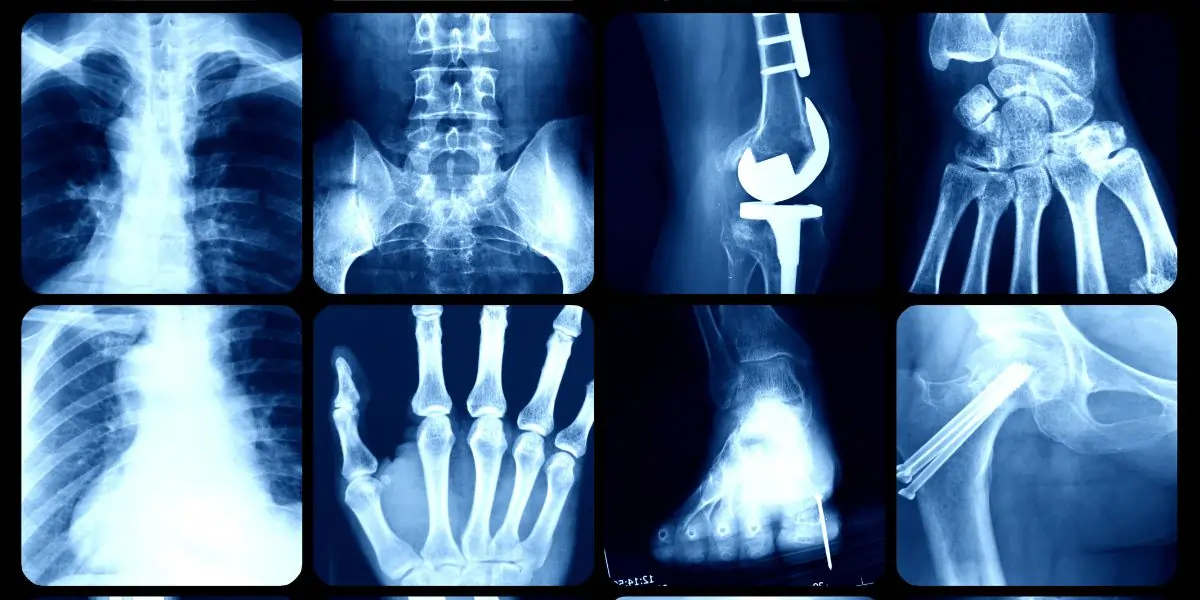
Digital X-ray: A Complete Guide to Modern Diagnostic Imaging
A digital X-ray is an ordinary X-ray captured on an electronic detector instead of film. Same test, sharper image, far less radiation, and the picture is on the radiologist’s screen within seconds instead of after a wait in the darkroom.
Medical science has advanced rapidly over the past few decades, and diagnostic imaging has played a huge role in this transformation. One of the most common and essential diagnostic tools is the X-ray, used for everything from detecting fractures to identifying lung infections. Traditionally, X-rays were captured on films, which took time to develop and often lacked clarity. Today, with the rise of Digital X-ray technology (Digital Radiography), diagnosis has become faster, safer, and far more accurate.
If you’ve ever wondered what a digital X-ray is, how it works, or whether it’s safe for you—this Edge Imaging Best Diagnostic Centre in Delhi NCR complete guide has all the answers.
Looking for the price of a particular X-ray? Our full list — chest, spine, knee, skull, abdomen and the rest, each with its own rate — is on the digital X-ray prices page. This guide explains the test itself.
What is a Digital X-ray?
A Digital X-ray is an advanced form of traditional X-ray imaging that uses digital sensors instead of photographic films. The captured image is instantly transferred to a computer, where it can be viewed, enhanced, and stored with ease.
Unlike old-style film X-rays, digital X-rays:
-
Produce high-resolution images.
-
Involve lower radiation exposure.
-
Allow easy sharing with doctors for quick diagnosis.
In simple terms, Digital X-ray is the modern upgrade that combines accuracy, safety, and speed.
How Does a Digital X-ray Work?
The process of digital radiography is simple and patient-friendly:
-
Positioning – The patient is asked to sit, stand, or lie down depending on the body part being scanned.
-
Image Capture – A machine directs X-ray beams through the body onto a digital detector.
-
Instant Processing – The detector captures the image and transfers it directly to a computer.
-
Diagnosis – The radiologist can zoom in, adjust brightness/contrast, and analyze the image in real time.
This entire process usually takes just 5–10 minutes, making it one of the fastest diagnostic methods available.
Advantages of Digital X-rays Over Traditional X-rays
Digital X-rays are preferred worldwide because of the numerous benefits they offer:
-
Faster Results – No need to wait for films to be developed; results are instant.
-
Lower Radiation Exposure – Up to 80% less radiation compared to traditional methods.
-
High Image Quality – Images are sharper, clearer, and can be digitally enhanced.
-
Easy Storage & Sharing – Results can be saved electronically and sent via email to doctors.
-
Eco-Friendly – No harmful chemicals or films are used in the process.
-
Cost-Effective – Though advanced, digital X-rays are often more affordable in the long run.
There is one more advantage that patients notice only after a bad experience elsewhere: with film, an under-exposed or over-exposed image meant being sent back to be X-rayed again. On a digital detector the brightness and contrast are adjusted on the computer afterwards, so a repeat exposure for a technical reason is far less common.
Applications of Digital X-rays in Healthcare
Digital radiography is a versatile diagnostic tool used across multiple fields of medicine:
-
Dental Care – Detecting cavities, gum infections, and jawbone health.
-
Orthopedics – Identifying fractures, dislocations, arthritis, and bone density issues.
-
Chest Imaging – Checking lungs for pneumonia, TB, or COVID-related damage.
-
Cardiology – Detecting heart enlargement or chest abnormalities.
-
Abdominal Scans – Identifying blockages, stones, or organ conditions.
-
Preventive Health Checkups – Part of routine health screenings.
Are Digital X-rays Safe?
Safety is often the first concern for patients. The good news is that digital X-rays are much safer than traditional X-rays, thanks to significantly reduced radiation exposure.
-
Radiation levels are minimal and considered safe for adults.
-
For children, the reduced exposure makes it a preferred choice.
-
Pregnant women are generally advised to avoid X-rays unless absolutely necessary, but when required, protective shields are used to ensure safety.
In short, digital radiography is one of the safest diagnostic imaging techniques available.
It helps to put a number on it. A digital chest X-ray delivers an effective dose in the region of 0.02 millisieverts — roughly what you receive from natural background radiation in about three days of ordinary life. A spine or abdominal film is higher than a chest film, but still a small fraction of a CT scan. That is the honest scale: not zero, but low enough that when a doctor asks for one, the information is worth far more than the dose.
Tell the technologist if there is any chance you are pregnant, before the exposure rather than after. That single sentence is the most important safety step in the whole process.
Digital X-ray vs. Other Imaging Techniques
Many patients are confused between X-rays, CT scans, MRIs, and ultrasounds. Here’s a simple comparison:
| Test | What it is best for | Radiation |
|---|---|---|
| Digital X-ray | Best for bones, joints, lungs, and quick diagnostics. | Low |
| MRI | Provides detailed imaging of soft tissues (brain, muscles, nerves). | None |
| CT Scan | Gives a 3D view and detailed cross-sectional images but uses higher radiation. | Higher |
| Ultrasound | Uses sound waves, no radiation, best for pregnancy scans and soft tissues. | None |
Conclusion: Digital X-rays are ideal for fast, affordable, and safe diagnosis of bone and chest-related conditions.
Who Should Get a Digital X-ray?
Doctors may recommend a digital Xray if you are experiencing:
-
Sudden injury or suspected fracture.
-
Chronic cough, chest pain, or breathing issues.
-
Dental problems such as pain, swelling, or cavity.
-
Suspected arthritis, osteoporosis, or joint pain.
-
Digestive problems that may require abdominal imaging.
What to Expect During a Digital X-ray Test
Patients often worry about the process, but digital X-rays are quick and painless.
-
Preparation – Usually no preparation is needed. For abdominal scans, fasting may be advised.
-
Duration – Most tests take 5–10 minutes.
-
Pain/Discomfort – None; you may just need to stay still for a few seconds.
-
Results – Images are available immediately and can be shared digitally.
-
Cost – The cost varies depending on the body part and clinic, but it is generally affordable. Our own rate for each X-ray is published on the digital X-ray prices page.
Two practical things worth knowing before you arrive: you will be asked to remove jewellery, chains, hooks, coins and anything metal near the area being imaged, because metal blocks X-rays and leaves a white shadow on the film. And for a chest X-ray you will be asked to take a deep breath in and hold it — holding it properly is what keeps the lungs clear and the image sharp.
Digital X-ray — common questions
What does digital X-ray mean?
It means the X-ray image is captured on an electronic detector and sent straight to a computer, instead of being exposed onto photographic film and developed in a darkroom. The X-ray beam and the test itself are the same; what changes is how the picture is recorded, which is why the image is sharper, arrives in seconds, and needs less radiation.
What is the difference between a digital X-ray and a normal X-ray?
A normal (conventional) X-ray records the image on film that has to be chemically developed, which takes time and cannot be adjusted afterwards. A digital X-ray records it on a sensor, so the radiologist can zoom in and change brightness and contrast on screen, the report is faster, the image can be emailed or copied without loss, and the radiation dose is lower. For you as a patient, the experience in the room is identical.
How much radiation is there in a digital X-ray?
Very little. A digital chest X-ray is in the region of 0.02 millisieverts, roughly the natural background radiation you receive in about three days. Spine and abdominal films are higher than a chest film but still far below a CT scan. It is a real dose rather than zero, which is why X-rays are done when a doctor has a reason and not as a casual check.
Can I have a digital X-ray if I am pregnant?
X-rays are generally avoided in pregnancy unless there is no alternative and the information is genuinely needed. If one is required, lead shielding is used and the exposure is kept to the minimum. Always tell the technologist if there is any chance you are pregnant, before the exposure is taken.
How long does a digital X-ray take and when do I get the report?
The test itself takes 5 to 10 minutes, and the exposure is a fraction of a second. The image appears on the computer immediately; the reported film follows the same day for routine studies.
Do I need to prepare or fast before an X-ray?
For almost all X-rays, no preparation at all. Fasting is only sometimes advised for certain abdominal studies. You will be asked to remove jewellery, chains, coins and any metal near the part being imaged, since metal blocks the beam and shows up as a white shadow.
Is a digital X-ray painful?
No. Nothing touches you except the plate you stand or lie against. You feel nothing during the exposure; the only requirement is staying still for a few seconds, and for chest films holding your breath briefly.
How much does a digital X-ray cost in Delhi?
It depends entirely on which body part and how many views your doctor has asked for, which is why a single number is misleading. Our published rate for every X-ray we do is listed on the digital X-ray prices page, and you can send a photo of your prescription to 9555999960 on WhatsApp to get today’s exact rate before you come in.
This technology has revolutionized diagnostic imaging. It is faster, safer, more accurate, and eco-friendly compared to traditional X-rays. Whether it’s a minor injury or a serious health condition, digital radiography ensures that doctors get the clearest picture for the right treatment.
If you need a reliable and safe diagnostic service, choosing a Digital Xray facility is always the smarter option.
Book Digital X-Ray Scan in Delhi NCR — send us a photo of your prescription on WhatsApp and we will confirm today’s price and the earliest slot, or simply walk in.