
 PV
PV TG
TG MN
MN EM
EM EI
EI ND
ND
 CT Scan
 PET CT
 Digital X-ray
 Ultrasound
 Amniocentesis
 Fetal Reduction
 Thermalytix Breast Screening
 Cardiology
 Lab Tests
 GAMCA Pre-Medical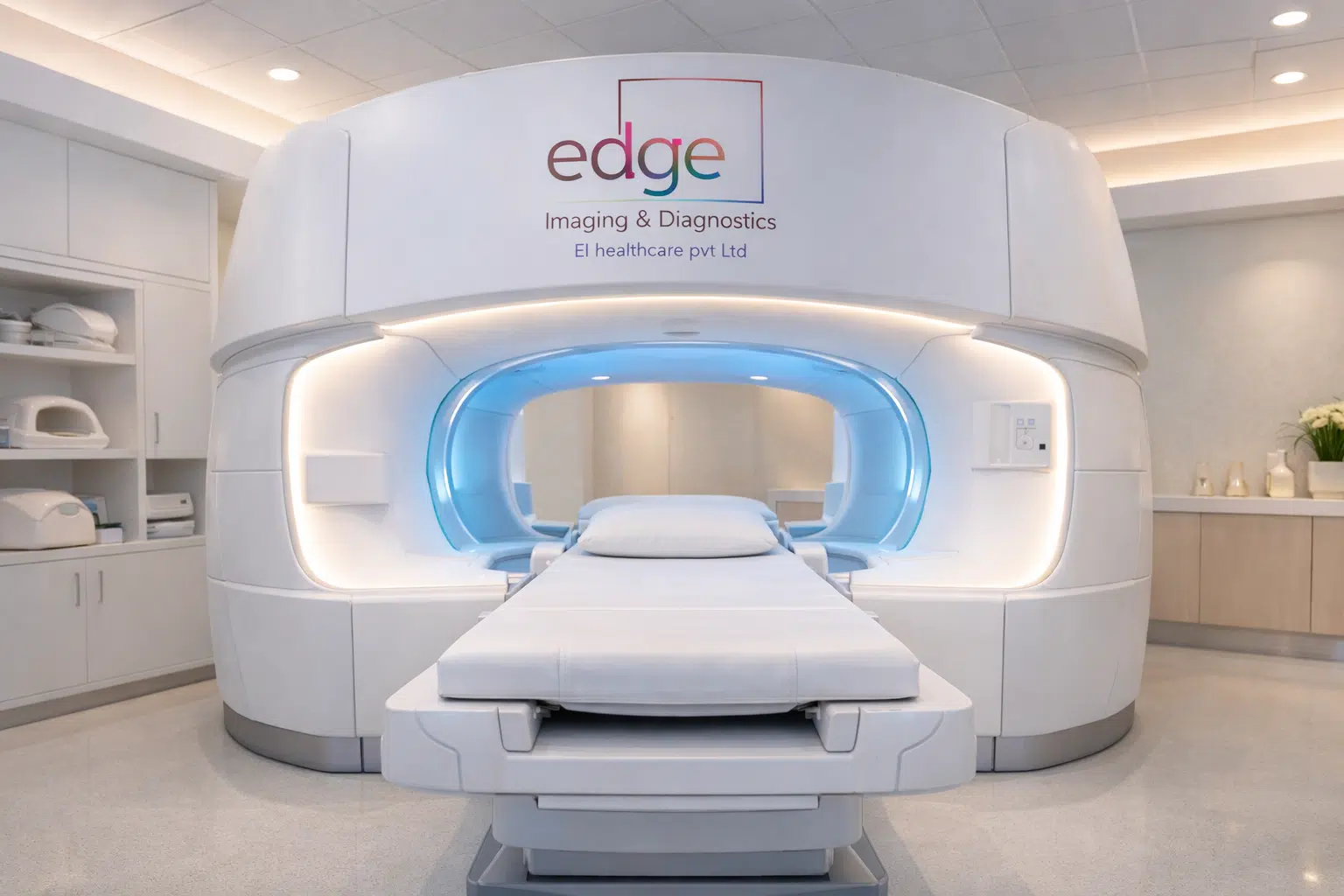
Back pain affects almost everyone at some point, and knowing the common back pain causes — and the few red flags that need urgent attention — helps you know when to simply rest and when to seek a scan. Most back pain is not serious and settles within a few weeks, but pain that travels down the leg (sciatica) or comes with certain warning signs may need a closer look. This guide explains the causes, the danger signs, and when an MRI of the spine is the right step.
Reviewed by Dr. Nishant Thapar, MBBS, MD (Radiodiagnosis), Founder — Edge Imaging & Diagnostics, Paschim Vihar, New Delhi.
Common Causes of Back Pain
| Cause | Typical picture |
|---|---|
| Muscle or ligament strain | After lifting or a sudden movement |
| Poor posture / prolonged sitting | Aching, worse through the day |
| Slipped (herniated) disc | Pain that may radiate to a leg |
| Sciatica (nerve compression) | Pain, tingling or numbness down the leg |
| Degeneration / spinal stenosis | Older age, stiffness, leg symptoms on walking |
What Is Sciatica?
Sciatica is pain that travels from the lower back down through the buttock and leg, often with tingling, numbness or weakness. It happens when a nerve in the lower spine is pressed or irritated — commonly by a slipped disc. Many cases of sciatica settle over a few weeks, but persistent or severe symptoms may need imaging.
Red Flags — Seek Care Promptly
Most back pain is not dangerous, but seek medical care urgently if back pain comes with:
- Loss of bladder or bowel control, or numbness around the back passage or inner thighs (a rare emergency)
- Weakness or numbness in a leg that is worsening
- Fever, or pain after a significant injury or fall
- Unexplained weight loss, or severe pain that is worse at night
These are uncommon, but they are the reasons not to simply wait when they appear.
When Do You Need an MRI of the Spine?
Most back pain does not need a scan and improves with time and simple measures. An MRI spine scan is advised when:
- Back pain or sciatica persists beyond about 4–6 weeks despite treatment
- There is leg weakness, numbness or worsening nerve symptoms
- Any red-flag sign is present
- Your doctor needs detail before an injection or surgery
MRI is the best test for discs, nerves and the spinal cord, showing exactly what is pressing on a nerve.
What Helps Most Back Pain
Staying gently active (rather than strict bed rest), simple pain relief, good posture, and targeted physiotherapy help most back pain recover. Avoid heavy lifting during a flare-up, and see a doctor if pain does not improve or a warning sign appears.
Get Your Spine Assessed at Edge Imaging, Delhi
If your back pain or sciatica is not settling, or you have leg symptoms, an MRI gives clear answers. At Edge Imaging & Diagnostics, Paschim Vihar, MRI spine scans are performed on modern MRI (with an open MRI option) and interpreted by Dr. Nishant Thapar. Call 9555999960 or visit our contact page to book.
If the numbness is not a stripe down one leg but instead sits in both feet, is roughly symmetrical and is worse at night, the problem is probably not the spine at all. Read what the pattern of numbness tells a doctor, and which test finds the cause — it explains when an MRI is the wrong first test and a nerve conduction study is the right one.
Frequently Asked Questions
Is most back pain serious?
No. Most back pain is due to muscle strain or posture and settles within a few weeks. Only a small number of cases have a serious cause, signalled by red-flag symptoms.
When should I get an MRI for back pain?
When pain or sciatica persists beyond about 4–6 weeks, when there is leg weakness or numbness, when a red flag appears, or before planned injections or surgery.
What are the red flags in back pain?
Loss of bladder or bowel control, numbness around the back passage, worsening leg weakness, fever, significant injury, unexplained weight loss, or severe night pain — these need prompt medical care.
Can an MRI find the cause of sciatica?
Yes. MRI shows the discs and nerves clearly and can pinpoint what is pressing on a nerve to cause sciatica.
Should I rest completely with back pain?
No. Staying gently active usually helps more than strict bed rest, along with simple pain relief and physiotherapy.
Disclaimer: This article is for general information and patient awareness only and does not replace a consultation with a qualified doctor. Whether an MRI is needed depends on your individual symptoms. For trusted patient information, see the NHS guide to back pain.