An NCCT Head scan in Delhi (Non-Contrast Computed Tomography of the Head) is one of the most commonly performed emergency and diagnostic imaging investigations in modern medicine. If your doctor has recommended an NCCT Head scan in Delhi, this comprehensive guide will walk you through everything you need to know — from what the scan is and why it is done, to preparation, the step-by-step procedure, safety profile, cost, and why Edge Imaging & Diagnostics in Paschim Vihar, West Delhi is your best choice for this investigation.
If you need an NCCT Head scan in Delhi, understanding the procedure beforehand helps reduce anxiety and ensures a smooth experience. An NCCT Head scan in Delhi at Edge Imaging & Diagnostics is completed within minutes and delivers diagnostic-quality images that guide your doctor’s treatment decisions. This guide covers everything patients in Delhi NCR need to know about the NCCT Head scan in Delhi — from what to expect during the scan to how to prepare and what the results mean.
At Edge Imaging & Diagnostics, we perform NCCT Head scans using state-of-the-art multi-detector CT technology, delivering sharp, high-resolution images of the brain and skull with rapid turnaround reporting — critical when time is brain.
Quick Navigation: What is NCCT Head Scan? | Why is it Done? | Preparation | Procedure | Safety | Cost in Delhi | Best Centre | FAQs
What is an NCCT Head Scan?
An NCCT Head scan is a non-contrast CT (computed tomography) examination of the brain, skull, and surrounding structures performed without the injection of any intravenous contrast agent. It uses a series of X-ray beams rotated around the head to generate detailed cross-sectional images that a radiologist analyses for abnormalities.
The “non-contrast” component is important — it means the scan is performed with X-ray attenuation alone, without gadolinium or iodinated contrast enhancement. This makes NCCT Head the first-line investigation for acute brain emergencies such as stroke, head injury, and spontaneous intracranial haemorrhage, where speed and safety are paramount.
NCCT Head provides excellent visualisation of bone (skull fractures), acute haemorrhage (which appears bright/hyperdense on CT), brain oedema, midline shift, ventricular size, calcifications, and large structural lesions. It is fast (scan time under 10 seconds), widely available, and can be performed on uncooperative or critically ill patients.
Why is an NCCT Head Scan Done?
NCCT Head is one of the most versatile emergency and routine investigations in radiology. Common indications include:
- Acute stroke evaluation: Rapidly excludes haemorrhagic stroke, identifies early ischaemic changes, and guides thrombolysis decisions in the acute setting.
- Head trauma: Detects skull fractures, extradural haematoma (EDH), subdural haematoma (SDH), subarachnoid haemorrhage (SAH), and cerebral contusions after road traffic accidents or falls.
- Spontaneous intracranial haemorrhage: Hypertensive bleed, ruptured arteriovenous malformation (AVM), or aneurysmal SAH presenting as sudden severe headache.
- New-onset seizures: Identifies underlying structural causes such as tumours, cortical dysplasia, haemorrhage, or calcified lesions.
- Altered consciousness or confusion: Rules out mass effect, hydrocephalus, or haemorrhage requiring urgent neurosurgical intervention.
- Hydrocephalus assessment: Evaluates ventricular size before and after shunt placement.
- Intracranial calcifications: Detects physiological and pathological calcifications (pineal, choroid plexus, basal ganglia, Fahr disease, neurocysticercosis).
- Pre-operative brain planning: Initial structural assessment before contrast-enhanced or MRI studies.
- Monitoring known pathology: Follow-up of known haemorrhage, evolving infarct, or post-surgical brain changes.
Symptoms That Require an NCCT Head Scan
Your doctor may urgently request an NCCT Head scan in Delhi if you present with any of the following symptoms:
- Sudden severe “thunderclap” headache — worst headache of your life (classic SAH presentation)
- Loss of consciousness, fainting, or blackout
- Sudden weakness, numbness, or paralysis of face, arm, or leg (acute stroke symptoms)
- Sudden difficulty speaking, understanding speech, or confusion
- Head injury following a fall, road accident, or assault
- New-onset seizures or status epilepticus
- Rapidly worsening headache with nausea, vomiting, or neck stiffness
- Vision loss or double vision developing acutely
- Unequal pupil size after head trauma (Hutchinson’s pupil — neurosurgical emergency)
- Persistent dizziness, balance problems, or difficulty walking
Who Should Get an NCCT Head Scan?
Getting an NCCT Head scan in Delhi is quick and accessible. An NCCT Head scan in Delhi does not require any special preparation in most cases, and the total examination time is under 15 minutes. Whether you are referred by a doctor or need an NCCT Head scan in Delhi on an urgent basis, Edge Imaging & Diagnostics in Paschim Vihar provides priority scheduling and rapid reporting.
An NCCT Head scan is appropriate for a wide range of patients. You should specifically consider this investigation if you:
- Are presenting to the emergency department with acute neurological symptoms
- Have sustained a significant head injury (high-velocity mechanism, loss of consciousness, GCS < 15)
- Are over 60 years old with new neurological symptoms
- Have a known bleeding disorder or are on anticoagulants and suffered head trauma
- Have a history of cancer with new-onset headache or neurological deficits (possible brain metastasis)
- Are being evaluated for cognitive decline or dementia
- Require rapid brain imaging and cannot have MRI (pacemaker, metallic implant, claustrophobia)
- Have been referred by a neurologist, neurosurgeon, or emergency physician
Preparation Before the NCCT Head Scan
One of the greatest advantages of the NCCT Head scan in Delhi is how simple the preparation is. Unlike MRI, which has strict metal screening requirements, the NCCT Head scan in Delhi can be performed on virtually any patient — including those with metal implants (such as joint replacements or dental crowns), pacemakers, or severe claustrophobia. Knowing what to bring and how to prepare for your NCCT Head scan in Delhi ensures the process goes smoothly:
One of the key advantages of NCCT Head is its minimal preparation requirements, which makes it ideal for emergency use:
- No fasting required: You can eat and drink normally before the scan.
- Remove metal objects: All jewellery, hairpins, hearing aids, glasses, and dental prostheses must be removed before the scan.
- Inform staff of implants: Notify the radiographer if you have any metal implants in the head or neck (aneurysm clips, cochlear implants, orbital foreign bodies). Note: standard CT is generally safe with most implants — this is more relevant for MRI.
- Medications: Continue all medications as normal. No special medication adjustments needed.
- Pregnancy: Inform the radiographer if you are or might be pregnant. Radiation risk to the foetus will be discussed; the scan may still be performed if clinically urgent.
- Documents: Bring your referral letter, previous imaging CDs, and any relevant clinical information.
Step-by-Step NCCT Head Procedure
Here is exactly what happens when you undergo an NCCT Head scan at Edge Imaging & Diagnostics in Paschim Vihar, West Delhi:
- Registration and safety check: You complete patient registration and a brief safety questionnaire confirming the absence of contraindications.
- Metal removal: You remove all jewellery, clips, and metal objects from the head and neck region.
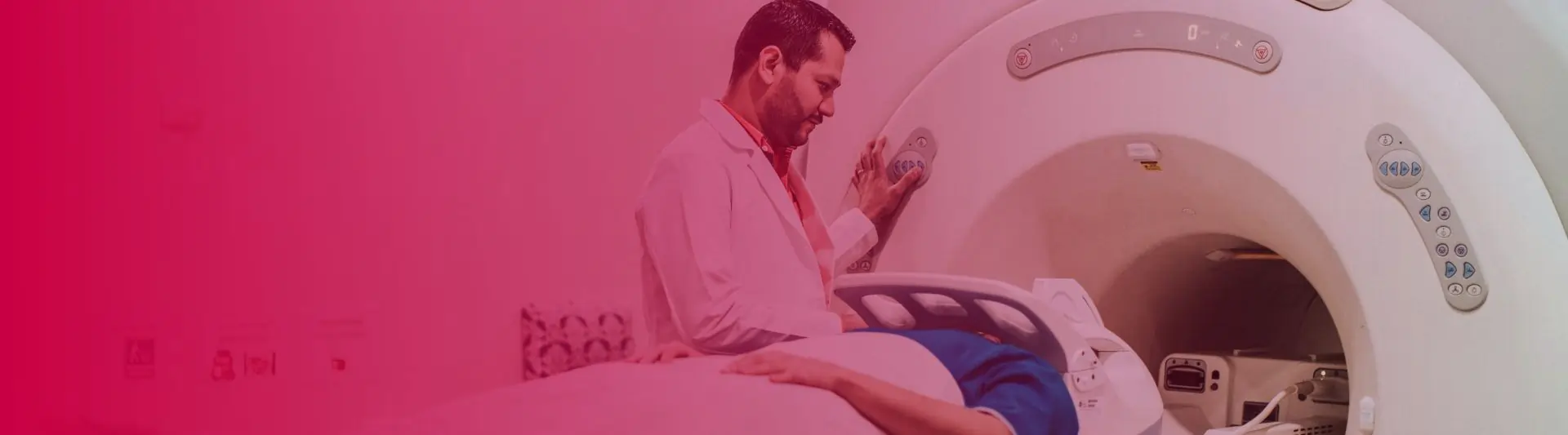
- Positioning: You lie on your back on the CT scanner table (gantry table). A head holder cradle stabilises your head to minimise motion.
- Table advancement: The table moves automatically into the ring-shaped CT scanner gantry until your head is centred in the X-ray beam.
- Scout/topogram: A brief 2-second scout image (digital X-ray) is taken to plan the scan range from the skull base to the vertex.
- Scan acquisition: The X-ray tube and detector array rotate rapidly around your head, acquiring axial data in a helical pattern. You must lie still. The scan takes approximately 5–10 seconds.
- Image reconstruction: The raw data is immediately reconstructed into axial, coronal, and sagittal cross-sectional images of the brain, skull, and adjacent structures.
- Table retraction: The table moves back out of the gantry. The scan is complete.
- Quality check: The radiographer briefly reviews images for technical adequacy before you leave.
- Reporting: Our consultant radiologist analyses the images and prepares a detailed structured report, typically available within 1–2 hours for routine studies and immediately for emergency cases.
How Long Does an NCCT Head Scan Take?
An NCCT Head scan takes approximately 5–10 minutes from the moment you lie on the table to when you walk out of the scan room. The actual X-ray acquisition takes under 10 seconds. The remainder of the time is spent on positioning, scout imaging, and post-processing. This rapid acquisition makes NCCT Head the imaging investigation of choice in acute neurological emergencies.
Is the NCCT Head Scan Safe?
NCCT Head is a very safe investigation when performed for appropriate clinical indications. Key safety considerations include: According to RadiologyInfo.org (American College of Radiology), CT head scans are among the safest diagnostic imaging procedures available.
- Radiation dose: An NCCT Head delivers an effective radiation dose of approximately 1–2 mSv — equivalent to about 6 months of natural background radiation. This is considered a low-to-moderate dose.
- No contrast, no contrast risks: Since no iodinated contrast is injected, there is no risk of allergic reaction, contrast nephropathy, or thyroid disruption.
- Safe for most patients: Including elderly, those with kidney disease, and patients on metformin — all of whom may have restrictions with contrast-enhanced scans.
- Pregnancy: While ionising radiation carries a theoretical foetal risk, an NCCT Head in a life-threatening emergency is justified. The radiation dose to the uterus from a head CT is negligible (scatter only).
- Children: Dose-reducing paediatric protocols (“As Low As Reasonably Achievable” — ALARA principle) are employed to minimise exposure.
Risks and Complications of NCCT Head
NCCT Head is an extremely safe investigation with no direct procedural complications:
- Radiation risk: Very small theoretical increased lifetime cancer risk from ionising radiation. Clinically negligible for a single NCCT Head in adults. Benefits in acute neurological conditions far outweigh this risk.
- Motion artefact: Patient movement during scanning degrades image quality. In emergency patients who cannot cooperate, mild sedation may occasionally be required (administered by clinical team).
- Incidental findings: The scan may reveal unexpected findings unrelated to the presenting symptom (incidentalomas) — such as an incidental pineal cyst or Virchow-Robin space enlargement — which may require additional investigations and cause patient anxiety.
- Claustrophobia: Very uncommon with CT (the gantry is open and scanning is brief) — much less of an issue than MRI.
Benefits of NCCT Head Scan
The NCCT Head scan in Delhi offers numerous advantages for patients and clinicians alike. As a non-contrast examination, the NCCT Head scan in Delhi carries none of the risks associated with contrast injection, making it ideal for emergency situations, patients with kidney disease, and those with contrast allergies. Here are the key benefits of choosing an NCCT Head scan in Delhi:
- Fastest brain imaging available: Entire brain scanned in under 10 seconds — critical in stroke and trauma emergencies.
- Superior haemorrhage detection: Acute blood appears bright (hyperdense) on non-contrast CT — NCCT is the gold standard for detecting acute intracranial haemorrhage.
- Widely available 24/7: Available at most diagnostic centres and hospitals — including Edge Imaging & Diagnostics in West Delhi.
- No contrast injection needed: Safe for patients with kidney disease, contrast allergy, or diabetes on metformin.
- Excellent bone detail: Skull fractures, base of skull fractures, and orbital wall fractures are well-visualised.
- Low cost: Significantly cheaper than brain MRI with comparable diagnostic yield for haemorrhage and acute injury.
- Can be performed on all patients: Including those with pacemakers, metallic implants, and severe claustrophobia — all of whom cannot have MRI.
Accuracy of NCCT Head Scan
The NCCT Head scan in Delhi at Edge Imaging & Diagnostics has very high diagnostic accuracy for its primary indications. For acute intracranial haemorrhage, NCCT has a sensitivity exceeding 95% in the first 24 hours. For skull fractures, CT is the gold standard with near-100% sensitivity for displaced fractures.
For ischaemic stroke, NCCT is used primarily to exclude haemorrhage (sensitivity ~95%) rather than to confirm ischaemia — early ischaemic changes on CT (subtle loss of grey-white differentiation, ASPECTS scoring) have lower sensitivity (50–60%) in the hyperacute window, where CT perfusion or MRI DWI is more sensitive. At Edge Imaging & Diagnostics in Paschim Vihar, Delhi, our experienced neuroradiologists use the latest MDCT technology and window-level optimisation to maximise diagnostic accuracy.
Cost of NCCT Head Scan in Delhi
The cost of an NCCT Head scan in Delhi varies between diagnostic centres. Here is a general price guide:
| Scan Type | Approximate Cost in Delhi |
|---|---|
| NCCT Head (Non-Contrast CT Brain) | ₹1,200 – ₹3,500 |
| CECT Head (Contrast CT Brain) | ₹3,000 – ₹6,000 |
| CT Head + CT Angiography | ₹6,000 – ₹12,000 |
At Edge Imaging & Diagnostics in Paschim Vihar, West Delhi, we offer NCCT Head scans at highly competitive prices with transparent, no-hidden-charge billing. We accept all major health insurance and TPA cashless facilities. Patients from Punjabi Bagh, Rajouri Garden, Moti Nagar, and across Delhi NCR are welcome.
The cost of an NCCT Head scan in Delhi is generally more affordable than an MRI brain scan, making it the preferred first-line investigation for most neurological emergencies. The exact price of an NCCT Head scan in Delhi depends on the technology used, the expertise of the radiologist, and the turnaround time required. At Edge Imaging & Diagnostics, we ensure that the cost of your NCCT Head scan in Delhi is transparent, competitive, and covered by all major health insurance policies and TPA cashless networks.
Best Diagnostic Center for NCCT Head Scan in Delhi
When choosing a centre for your NCCT Head scan in Delhi, you need a facility with advanced multi-slice CT technology, experienced neuroradiologists, rapid emergency reporting, and a proven track record. Edge Imaging & Diagnostics in Paschim Vihar, West Delhi delivers all of this and more — making us the preferred choice for NCCT Head scan in Delhi for patients across West Delhi and Delhi NCR.
Located conveniently for patients from Punjabi Bagh, Rajouri Garden, Moti Nagar, Patel Nagar, and all of West Delhi and Delhi NCR, we are the region’s most trusted diagnostic imaging centre for CT brain and head examinations.
Why Choose Edge Imaging & Diagnostics?
- Advanced multi-detector CT scanner: High-resolution multi-slice CT providing sharp brain images with minimal motion artefact.
- Expert neuroradiologists: Detailed structured CT brain reports by experienced specialist radiologists.
- Rapid emergency reporting: Emergency NCCT Head reports available within 30–60 minutes — critical for stroke and trauma management.
- 24/7 availability: CT scanning available throughout the day for urgent and emergency referrals.
- Radiation dose optimisation: ALARA dose protocols ensuring minimum radiation with maximum image quality.
- Convenient location: Centrally situated in Paschim Vihar, easily accessible from Punjabi Bagh, Rajouri Garden, Moti Nagar, and all of West Delhi.
- Insurance and TPA cashless: We accept all major insurance providers and TPA cashless facilities.
- Transparent pricing: Clear, upfront cost with no hidden charges.
- Patient-friendly environment: Clean, modern facilities with a trained, compassionate team.
Frequently Asked Questions About NCCT Head Scan
1. What is an NCCT Head scan?
An NCCT Head scan is a non-contrast CT examination of the brain and skull performed without any injection. It uses X-ray beams to generate cross-sectional images of brain tissue, skull bone, and fluid spaces. It is the primary investigation for acute stroke, head trauma, and intracranial haemorrhage.
2. Is an NCCT Head scan painful?
No. An NCCT Head scan is completely painless. No injections are given, no needles are used, and the scanner does not touch you. You simply lie on a table and the scanner rotates around your head for under 10 seconds.
3. How long does an NCCT Head scan take?
The total time from lying on the table to leaving the scan room is approximately 5–10 minutes. The actual X-ray acquisition takes under 10 seconds. Reporting takes 1–2 hours for routine cases and is available immediately for genuine emergencies.
4. What is the difference between NCCT Head and CECT Head?
NCCT Head is performed without contrast injection — ideal for haemorrhage, trauma, and patients with kidney disease. CECT Head involves intravenous iodinated contrast injection — used to better evaluate tumours, abscesses, vascular malformations, and inflammatory conditions where lesion enhancement is diagnostically important.
5. Do I need to fast before an NCCT Head scan?
No fasting is required for an NCCT Head scan since no contrast injection is given. You can eat, drink, and take all medications normally before the examination.
6. Can NCCT Head detect a brain tumour?
NCCT Head can identify large brain tumours, especially those with calcification, haemorrhage, or significant mass effect. However, contrast-enhanced CT (CECT Head) or MRI Brain with gadolinium provides far superior tumour characterisation and is preferred for suspected brain tumour evaluation.
7. Is NCCT Head safe during pregnancy?
The radiation dose to the uterus from an NCCT Head scan is negligible (scatter only). In a life-threatening emergency — such as suspected stroke or severe head injury — the benefit of the scan significantly outweighs the minimal foetal risk. Always inform the radiographer if you are or might be pregnant.
8. Can NCCT Head diagnose a stroke?
NCCT Head is primarily used in acute stroke to rapidly rule out haemorrhage (which appears bright on CT), guiding the decision to administer clot-dissolving thrombolysis. Early ischaemic stroke may show subtle changes (ASPECTS scoring), but MRI DWI is more sensitive for very early ischaemia.
9. How much does NCCT Head cost in Delhi?
The cost of an NCCT Head scan in Delhi ranges from ₹1,200 to ₹3,500 at private diagnostic centres. At Edge Imaging & Diagnostics in Paschim Vihar, West Delhi, we offer competitive pricing with transparent billing and cashless insurance facilities.
10. What should I wear for an NCCT Head scan?
Wear comfortable clothing without metallic elements near the head and neck. Remove all jewellery, hairpins, hearing aids, and glasses before the scan. You will be provided a head rest cradle to keep your head still during imaging.
11. Can NCCT Head detect subarachnoid haemorrhage (SAH)?
Yes. NCCT Head is the first-line investigation for suspected SAH, presenting as a sudden severe “thunderclap” headache. CT has a sensitivity of over 95% for SAH in the first 24 hours. If CT is negative but clinical suspicion remains high, a lumbar puncture for xanthochromia is performed.
12. How do I book an NCCT Head scan in Delhi?
Book your NCCT Head scan at Edge Imaging & Diagnostics in Paschim Vihar, West Delhi by calling our centre or visiting edgeimaging.in. Emergency scans are accommodated on priority. Please bring your referral letter and any previous imaging for comparison.
Final Summary
An NCCT Head scan in Delhi is an essential, rapid, and safe first-line investigation for a wide spectrum of neurological emergencies and conditions. From acute stroke and head trauma to seizures and altered consciousness, the NCCT Head provides the critical diagnostic information needed to guide urgent clinical decisions.
At Edge Imaging & Diagnostics in Paschim Vihar, West Delhi, we deliver NCCT Head scans with advanced multi-slice CT technology, expert neuroradiology reporting, and rapid emergency turnaround — serving patients from Punjabi Bagh, Rajouri Garden, Moti Nagar, and throughout Delhi NCR.
Book your NCCT Head scan at Edge Imaging & Diagnostics today — because when it comes to brain health, every minute counts.
When looking for an NCCT Head scan in Delhi, it is important to choose a centre that combines advanced technology with expert radiological interpretation. The NCCT Head scan in Delhi at Edge Imaging & Diagnostics is performed on a 128-slice multi-detector CT system, ensuring the highest possible image quality.
Patients across Delhi NCR — including those from Paschim Vihar, Punjabi Bagh, Rajouri Garden, and Moti Nagar — regularly choose our centre for their NCCT Head scan in Delhi because of our transparent pricing, rapid reporting, and specialist neuroradiology expertise. Whether you need an emergency NCCT Head scan in Delhi for stroke evaluation or a routine brain check, Edge Imaging & Diagnostics is your most trusted diagnostic partner. For more information on CT brain radiation safety, refer to guidelines from the World Health Organization (WHO).

Related services: CECT Brain | CT Brain Angiography | HRCT Chest | MRI Scan