
 PV
PV TG
TG MN
MN EM
EM EI
EI ND
ND
 CT Scan
 PET CT
 Digital X-ray
 Ultrasound
 Amniocentesis
 Fetal Reduction
 Thermalytix Breast Screening
 Cardiology
 Lab Tests
 GAMCA Pre-Medical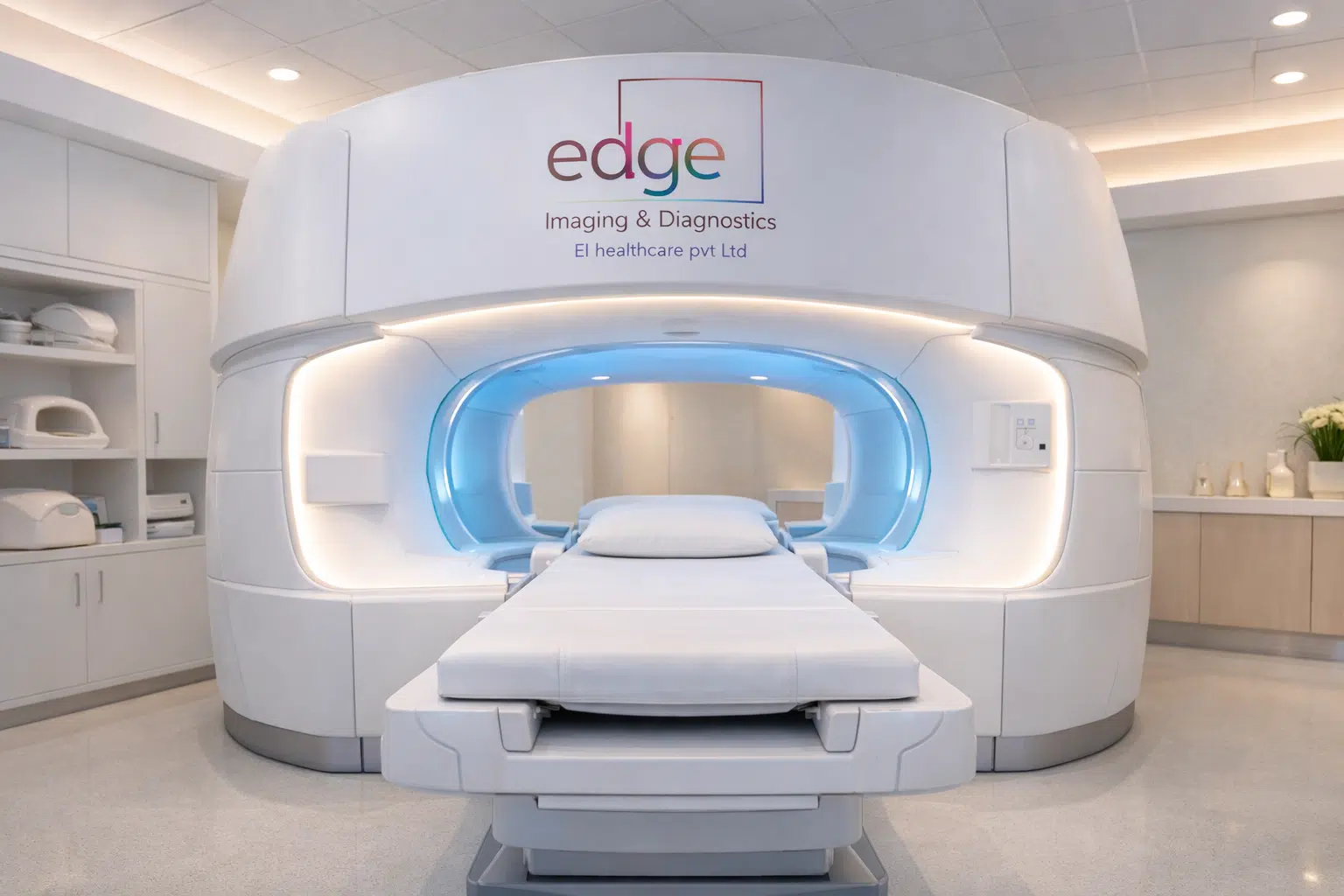
A CECT/NCCT KUB scan in Delhi is one of the most important imaging studies for evaluating the kidneys, ureters, and urinary bladder. Whether performed with contrast (CECT KUB) or without (NCCT KUB), this CT scan provides unparalleled detail of the urinary tract and is the investigation of choice for kidney stones, urinary tract obstructions, and urological tumours. If you have been advised a KUB scan in Delhi, this guide covers everything you need to know.

According to RadiologyInfo.org (American College of Radiology), NCCT KUB scan in Delhi and worldwide is the gold standard for detecting renal calculi (kidney stones), with sensitivity exceeding 95%. The American Urological Association (AUA) recommends NCCT KUB as the first-line imaging investigation for suspected urolithiasis.
Table of Contents
What is CECT/NCCT KUB scan in Delhi?
KUB stands for Kidneys, Ureters, and Urinary Bladder. A KUB CT scan is a specialised computed tomography examination that images the entire urinary tract from the kidneys down to the urinary bladder.
- NCCT KUB (Non-Contrast CT KUB) — Performed without contrast dye. It is the gold standard investigation for detecting kidney and ureteric stones (urolithiasis). It is highly sensitive, quick, and widely considered superior to X-ray KUB for stone detection.
- CECT KUB (Contrast-Enhanced CT KUB) — Performed with intravenous contrast dye, allowing detailed evaluation of the kidneys’ blood supply, renal cortex, medulla, and collecting system. Essential for evaluating renal masses, infections, and vascular lesions.
Quick Answer: CECT/NCCT KUB scan in Delhi evaluates the kidneys, ureters, and bladder using CT technology. NCCT KUB is the gold standard for kidney stone detection. CECT KUB uses contrast to assess renal masses, infections, and vascular abnormalities. The scan takes 10–20 minutes.
KUB CT scan (NCCT or CECT): ₹3,900 at Edge Imaging
The price includes the scan and the radiologist’s report. NCCT KUB needs no fasting. Send your prescription and we will confirm today’s price and the earliest slot.
Why is CECT/NCCT KUB Done?
The CECT/NCCT KUB scan in Delhi is ordered for a broad spectrum of urological and nephrological conditions:
- Kidney stones (urolithiasis) — Detecting, sizing, and locating stones in kidneys and ureters (NCCT KUB is gold standard)
- Renal colic — Evaluating the cause of severe flank pain radiating to the groin
- Renal masses/tumours — Characterising kidney tumours (CECT essential for vascularity assessment)
- Hydronephrosis — Assessing kidney swelling due to urine outflow obstruction
- Renal infections — Diagnosing pyelonephritis, renal abscess, or pyonephrosis
- Haematuria (blood in urine) — Identifying the source of urinary tract bleeding
- Ureteric obstruction — Evaluating the cause and level of ureteric blockage
- Bladder pathology — Assessing bladder tumours, stones, or structural abnormalities
- Pre-surgical planning — Before urological surgeries such as nephrectomy or ureteric stenting
- Trauma assessment — Evaluating renal injuries following blunt abdominal trauma
Symptoms That Require a KUB Scan
Seek immediate medical attention and request a KUB scan if you experience any of these symptoms:
- Severe flank pain (pain in the sides or lower back) radiating to the groin — classic renal colic
- Blood in the urine (haematuria) — either visible or detected on urine analysis
- Frequent, urgent, or painful urination
- Inability to pass urine (urinary retention)
- High fever with flank pain — suggesting kidney infection or abscess
- Swelling or lump felt in the abdomen or flank
- Unexplained weight loss with urinary symptoms
- Recurrent urinary tract infections (UTIs)
- Nausea and vomiting accompanying flank pain
- Known kidney stones with worsening symptoms
Who Should Get a KUB Scan?
- Patients presenting with renal colic or suspected kidney stones
- Individuals with haematuria (blood in urine) requiring source identification
- Patients with a known history of kidney stones for follow-up
- Patients with unexplained flank pain or swelling
- Post-urological surgery monitoring patients
- Patients with suspected kidney tumour or renal mass on ultrasound
- Individuals with recurrent UTIs requiring structural evaluation
- Trauma patients with suspected renal injury
Preparation Before CECT/NCCT KUB scan in Delhi
Preparation varies slightly between NCCT and CECT KUB:
For NCCT KUB (No Contrast):
- No fasting required in most cases
- Drink adequate water to maintain good hydration before the scan
- Remove metal objects, belts, and jewellery from the abdominal region
- Bring your prescription and previous imaging reports for comparison
For CECT KUB (With Contrast):
- Fast for 4–6 hours before the scan (water is permitted)
- Blood test for kidney function (serum creatinine) required before contrast injection
- Inform the team about contrast allergies, diabetes, asthma, or kidney disease
- Stop Metformin 48 hours before the scan if diabetic (consult your doctor)
- Adequate hydration before and after the scan protects the kidneys
- Arrive 30 minutes early for IV cannula placement and consent
Step-by-Step Procedure for KUB Scan
- Registration — Present prescription and ID at Edge Imaging reception
- Pre-Scan Assessment — For CECT, kidney function test results are reviewed; IV cannula is placed in your arm
- Positioning — Lie flat on your back on the CT table, arms raised above the head
- Scout Scan — A low-dose survey image is taken first to plan the scan range
- Contrast Injection (CECT only) — Iodinated contrast is injected through the IV cannula; you may feel warmth or flushing briefly
- Scanning — Multiple phases of imaging capture the kidneys, ureters, and bladder
- Delayed Phase (Urogram phase) — Additional images taken after 10–15 minutes to visualise the filled collecting system
- Post-Scan — Cannula is removed; you may be asked to remain for 15–30 minutes for observation
- Report Delivery — Digital reports ready within 60 minutes at Edge Imaging & Diagnostics
How Long Does KUB Scan Take?
The scan itself takes 10–20 minutes. For CECT KUB with delayed urogram phase, allow 30–45 minutes total in the scanner. Including preparation, registration, and report processing, plan to spend approximately 60–90 minutes at Edge Imaging & Diagnostics, Paschim Vihar, Delhi. The CECT/NCCT KUB scan in Delhi is designed for patient convenience with quick report turnaround.
Is CECT/NCCT KUB scan in Delhi Safe?
NCCT KUB is extremely safe since no contrast is involved. CECT KUB carries a small risk of contrast-related reactions, which is why kidney function is tested beforehand. At Edge Imaging & Diagnostics, we use low-osmolar, iso-osmolar contrast agents that minimise the risk of adverse reactions. Emergency resuscitation equipment is always available at our centre for patient safety.
Is KUB Scan Painful? No. NCCT KUB is completely painless. During CECT KUB, you may feel a warm flushing sensation and a metallic taste when contrast is injected — these are normal and pass within a minute. The scan itself is non-invasive and causes no pain.
Risks and Complications
- Radiation exposure — Low to moderate dose; clinically justified when indicated
- Contrast allergy — Rare but possible; pre-medication with antihistamines may be given in high-risk patients
- Contrast nephropathy — Risk minimised by checking kidney function and ensuring good hydration
- Metformin interaction — Diabetics on Metformin should stop it 48 hours before and 48 hours after CECT
Benefits of CECT/NCCT KUB scan in Delhi
- Gold standard for kidney stones — NCCT KUB detects stones with sensitivity >95%, far superior to X-ray or ultrasound
- Complete urinary tract coverage — Single scan images kidneys, ureters, and bladder
- Guides treatment — Stone size and location guide management (observation vs lithotripsy vs surgery)
- Detects complications — Identifies infection, obstruction, and associated complications
- Fast results — Critical for managing acute renal colic in emergency settings
- Non-invasive — No catheters or cystoscopy required
Accuracy of KUB Scan
NCCT KUB has a sensitivity of over 95–98% and specificity of 96–98% for ureteric stones — making it far superior to X-ray KUB (55–60% sensitivity) and ultrasound (45–78%). It accurately determines stone size, density (Hounsfield units), and location, which directly guides the choice of treatment. CECT KUB provides detailed characterisation of renal masses, infections, and vascular lesions with similarly high accuracy.
Cost of CECT/NCCT KUB Scan in Delhi
At Edge Imaging & Diagnostics in Paschim Vihar, a KUB CT scan — NCCT or CECT — is ₹3,900, as listed on our CT scan price list. The difference between the two is the contrast — a CECT uses an intravenous iodinated agent, which needs a cannula, a kidney-function check before the scan, and a longer appointment. For plain kidney-stone detection the NCCT is the study almost every urologist asks for. The price includes the scan and the radiologist’s report. We accept insurance and have tie-ups with major corporate health providers serving West Delhi, Punjabi Bagh, Rajouri Garden, and surrounding areas.
Book your KUB scan on WhatsAppCall 9555999960
Best Diagnostic Center for KUB Scan in Delhi
When selecting a diagnostic centre for your KUB scan in Delhi, prioritise these qualities:
- Advanced multi-detector CT scanner with thin-slice imaging capability
- Experienced uroradiology-trained radiologist for report interpretation
- Complete emergency facilities including resuscitation equipment for contrast studies
- Fast turnaround — reports within 60 minutes for emergency cases
- Digital report delivery via WhatsApp and email
- Transparent pricing and insurance acceptance
Why Choose Edge Imaging & Diagnostics for KUB Scan in Delhi?
Edge Imaging & Diagnostics, located in Paschim Vihar, West Delhi, is the preferred destination for CECT/NCCT KUB scan in Delhis across Punjabi Bagh, Rajouri Garden, Janakpuri, and all of Delhi NCR. Our centre offers:
- Advanced CT Scanner — High-resolution multi-slice CT for superior stone and kidney detail
- Expert Radiologist Team — Experienced radiologists with dedicated uroradiology expertise
- Complete Safety Protocol — Emergency resuscitation available; creatinine testing done on-site
- Fast Digital Reports — Routine reports in 60 minutes; emergency reports in 30 minutes
- Affordable Pricing — Transparent rates with no surprise billing
- Convenient Location — Paschim Vihar, easily accessible from all West Delhi areas
- Easy Appointment Booking — Walk-in, call, or book online at edgeimaging.in
Frequently Asked Questions — KUB Scan in Delhi
1. What is the difference between NCCT KUB and CECT KUB?
NCCT KUB is done without contrast and is the gold standard for kidney stone detection. CECT KUB uses IV contrast to assess renal masses, infections, vascular lesions, and tumours. Your doctor will prescribe the appropriate type based on your clinical condition.
2. Does NCCT KUB require fasting?
NCCT KUB does not require fasting. For CECT KUB, a 4–6 hour fast is required before the scan. Adequate water intake is encouraged before both types of scans.
3. Can KUB scan detect all types of kidney stones?
NCCT KUB detects virtually all types of kidney stones including calcium oxalate, uric acid, struvite, and cystine stones with sensitivity over 95%. Even radiolucent stones not visible on X-ray are detected by NCCT KUB.
4. Is NCCT KUB better than ultrasound for kidney stones?
Yes. NCCT KUB has far superior sensitivity (95–98%) compared to ultrasound (45–78%) for detecting kidney and ureteric stones. It also provides precise stone size, density, and location — information critical for treatment planning.
5. How do I prepare for a CECT KUB scan in Delhi?
Fast for 4–6 hours, have a serum creatinine blood test done, inform the team about any allergies or kidney disease, stop Metformin 48 hours before (if diabetic), and drink plenty of water before and after the scan.
6. What does KUB scan show that ultrasound does not?
KUB CT detects small stones in the ureter (especially mid-ureter), characterises renal masses in detail, assesses the full bladder anatomy, identifies retroperitoneal pathology, and provides precise anatomical detail not achievable with ultrasound.
7. How long does a KUB CT scan take at Edge Imaging?
The scan itself takes 10–20 minutes. Including preparation and delayed urogram phase (for CECT), total scanner time is 30–45 minutes. Allow 60–90 minutes for the entire visit including registration and initial report generation.
8. Will I feel anything during the contrast injection?
During CECT KUB, you may feel a warm, flushing sensation spreading through your body and a metallic taste in your mouth when contrast is injected. These are normal sensations and pass within 1–2 minutes. Some patients feel a brief urge to urinate — this is also a normal reaction.
9. Can KUB scan detect bladder cancer?
CECT KUB (with contrast and delayed urogram phase) can detect bladder tumours, wall thickening, and intraluminal masses. However, cystoscopy remains the gold standard for bladder cancer diagnosis. CT acts as an important initial screening and staging tool.
10. Is KUB scan safe for patients with kidney disease?
NCCT KUB (without contrast) is completely safe for kidney disease patients. CECT KUB requires careful pre-assessment of kidney function. For patients with severely impaired kidneys, non-contrast alternatives are preferred. Our radiologists will guide you on the safest option.
11. How soon will my KUB scan report be ready?
At Edge Imaging & Diagnostics, Paschim Vihar, Delhi, routine KUB reports are available within 60–120 minutes. Emergency reports are ready within 30 minutes. Reports are delivered digitally via WhatsApp and email.
12. How do I book a KUB scan in Delhi at Edge Imaging?
Send your prescription on WhatsApp or call 9555999960, or walk into our Paschim Vihar centre during working hours. Same-day and emergency appointments are available for urgent renal colic cases.
Conclusion
CECT/NCCT KUB scan in Delhi is the most powerful imaging tool available for evaluating the urinary tract. NCCT KUB is the undisputed gold standard for kidney stone detection, while CECT KUB provides comprehensive assessment of renal masses, infections, and vascular abnormalities. Together, these scans guide effective treatment of virtually all urological conditions.
For the NCCT or CECT CECT/NCCT KUB scan in Delhi, visit Edge Imaging & Diagnostics in Paschim Vihar, West Delhi — where advanced CT technology meets expert radiological interpretation. Book your appointment today at edgeimaging.in and get same-day reports for urgent cases.
For clinical guidelines on CT urography and kidney stone management, refer to the RadiologyInfo.org CT Urography guide and the National Kidney Foundation guidelines on kidney stones.