
 PV
 TG
 MN
 EM
 EI
 ND
 NM
 SR

 CT Scan
 PET CT
 Digital X-ray
 Ultrasound
 Amniocentesis

 Fetal Reduction
 Thermalytix Breast Screening
 Cardiology
 Lab Tests
 GAMCA Pre-Medical
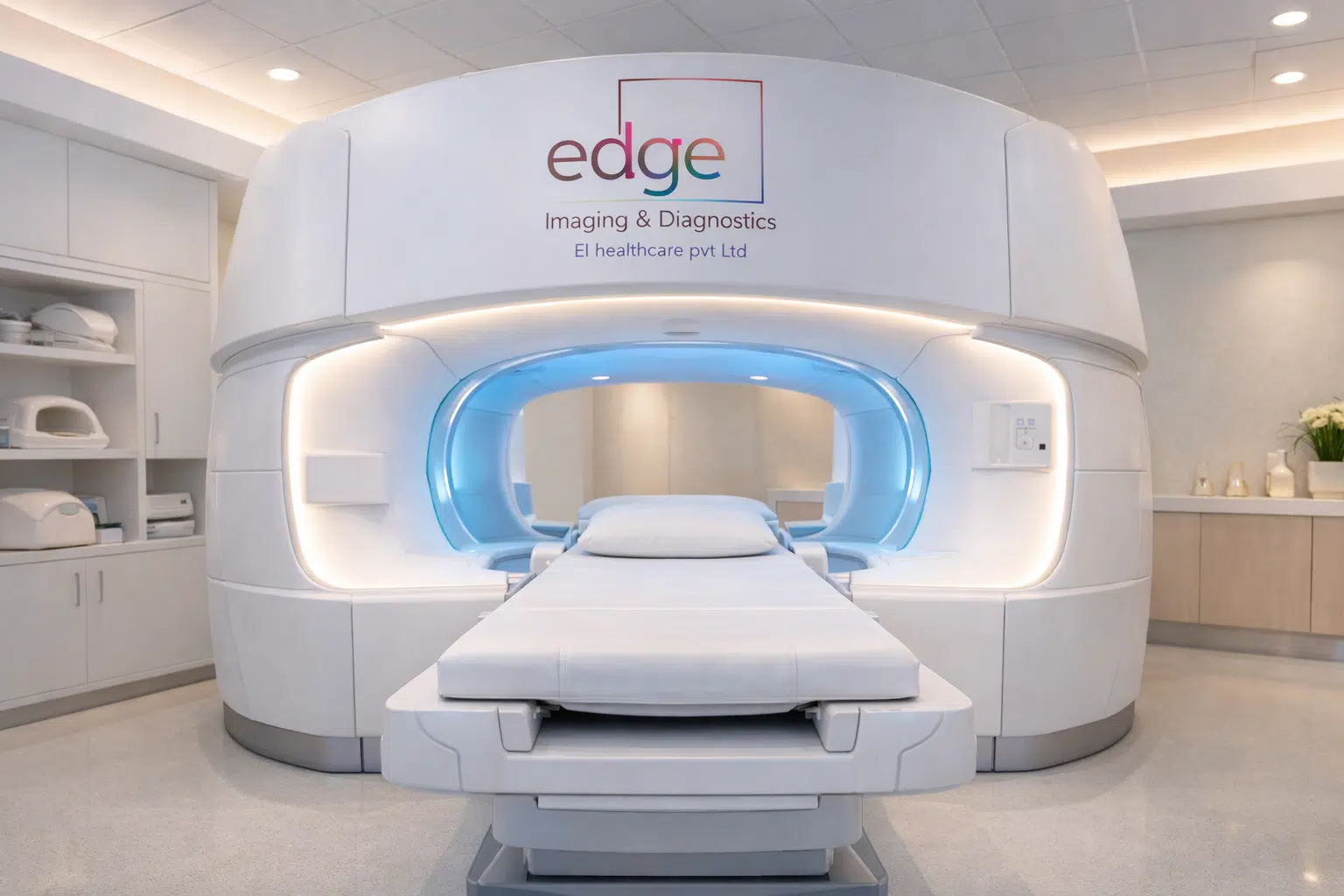
A pre-employment medical test is a health examination done before you join a job, to confirm that you are fit for the specific work and to record a baseline of your health. It usually includes a physical examination, vision check, blood and urine tests, and often a chest X-ray and ECG, with extra tests for certain jobs.
You have the offer letter, and then comes an email from HR: “Please complete your pre-employment medical and submit the fitness certificate.” For many people this brings questions. What tests are done? Do I need to fast? What if my blood sugar or blood pressure is a little high? Can I be rejected? What is the employer allowed to know?
This guide answers those questions in plain language. It explains what a pre-employment medical examination usually includes, the extra checks for food handlers, factory and hazardous work, noise and dust exposure, driving and seafarers, how to prepare, what can make you temporarily unfit, your rights on HIV testing and privacy, and how periodic employee health checkups work. It is general information; the requirements on your employer’s form always come first.
Pre-employment medical at a glance
- Purpose: to confirm fitness for the specific job and record a health baseline
- Core tests: history and physical examination, height, weight, blood pressure, vision, blood tests, urine test; often chest X-ray and ECG
- Job-specific tests: audiometry, lung function, colour vision, stool or skin checks and others, depending on the work
- Time: usually two to four hours for the tests; reports often the same or next day
- Preparation: follow the fasting instruction for blood sugar tests, bring your employer’s form, ID, glasses and medicines list
- Your rights: an HIV test cannot be made a condition of employment in India, and medical information should be kept confidential
- Seafarers: need a separate DG Shipping-approved medical by an approved doctor
What this guide covers
- What a pre-employment medical test is
- Why employers ask for it
- The core pre-employment medical examination
- Blood and urine tests explained
- Job-specific tests
- Food handlers
- Factory and hazardous process work
- Noise, dust and chemical exposure
- Drivers, heights and safety-critical jobs
- Seafarers and shipping companies
- Jobs abroad
- How to prepare
- What happens on the day
- What can make you temporarily unfit
- If a result is borderline or abnormal
- Your rights: HIV testing, consent and privacy
- The medical fitness certificate for a job
- Medical fitness certificate for job: what it should contain
- Pre-employment health checkup for freshers and first jobs
- Pre-employment medicals for healthcare workers
- Pregnancy and the pre-employment medical
- How long are pre-employment medical results valid?
- Periodic employee health checkups
- For employers and HR teams
- Myths and facts
- Common mistakes that delay a pre-employment medical
- Your pre-employment medical checklist
- Pre-employment medical test in Delhi
- References
- Frequently asked questions
What a pre-employment medical test is
A pre-employment medical test — also called a pre-employment health checkup, pre-placement medical or pre-employment medical examination — is an assessment of your health carried out after a job offer and before you start work. It has two jobs:
- Fitness for the role: making sure you can do the specific work safely, without risk to yourself or others. A crane operator, a chef, a nurse and a software engineer need different checks.
- Baseline record: documenting your health at the start, so that any later change — for example hearing loss from workplace noise — can be detected and compared.
It is not designed to exclude people with common, controlled conditions. Most people with well-managed diabetes, blood pressure, thyroid problems or asthma are found fit for most jobs. The test looks at whether a health issue affects safety in a particular role.
Why employers ask for it
- Legal requirements in certain sectors — for example hazardous processes in factories, food businesses and seafaring
- Safety: roles involving driving, machinery, heights, chemicals or patient care need specific fitness
- Insurance and group health cover administration
- Baseline documentation for occupational health surveillance
- Infection control in food handling and healthcare
- Early detection: many people discover high blood pressure, raised sugar or anaemia for the first time at a pre-employment medical, which is good for their long-term health
The core pre-employment medical examination

Most pre-employment medical examinations include the following. Your employer’s form decides the exact list, so always follow it.
| Component | What is checked | Why it matters |
|---|---|---|
| Medical history | Past illnesses, operations, medicines, allergies, family history, habits | Context for every other result |
| Physical examination | Heart, lungs, abdomen, skin, joints, spine, hernia check | General fitness and conditions relevant to the job |
| Height, weight and BMI | Body measurements | Some roles have physical requirements; baseline |
| Blood pressure and pulse | Cardiovascular check | Uncontrolled high blood pressure matters in safety-critical roles |
| Vision | Distance and near vision, with and without glasses; colour vision | Driving, machinery, electrical and lab work |
| Blood tests | Typically blood count, blood sugar, sometimes kidney and liver function, lipids, blood group | Anaemia, diabetes, organ function |
| Urine routine | Sugar, protein, infection | Kidney and diabetes screening |
| Chest X-ray | Lungs and heart shadow | Tuberculosis and lung disease screening, baseline for dust exposure |
| ECG | Heart rhythm and electrical activity | Often required above a set age or for physically demanding roles |
Blood and urine tests explained
- Complete blood count (CBC): checks haemoglobin for anaemia, and white cells and platelets for infection or blood disorders.
- Blood sugar: fasting or random glucose, sometimes HbA1c, which reflects the average sugar over about three months. HbA1c is useful because it is not affected by what you ate that morning.
- Kidney function: creatinine and urea.
- Liver function: enzymes and bilirubin; can be affected by alcohol, fatty liver, hepatitis or some medicines.
- Lipid profile: cholesterol and triglycerides, mainly for long-term health.
- Blood group: often recorded for emergency purposes.
- Hepatitis B: sometimes requested for healthcare roles, along with vaccination records; this should be done with your informed consent.
- Urine routine: sugar, protein, blood and signs of infection.
Some employers also ask for a drug screening urine test. If so, tell the staff about any prescribed medicines, as some can affect the result.
Job-specific tests
Beyond the core check, the job decides what else is needed. The table summarises common additions.
| Type of work | Common additional tests |
|---|---|
| Food handling (restaurants, hotels, food factories) | Physical and skin examination, eye test, annual medical fitness certificate |
| Hazardous processes and chemicals | Examinations before starting and at regular intervals; tests related to the specific substance |
| Noise exposure | Audiometry test as a baseline and periodically |
| Dust, fumes and chemicals | Lung function (spirometry) and chest X-ray |
| Driving and machinery | Detailed vision, colour vision, blood pressure, sugar, sometimes ECG |
| Work at heights or confined spaces | Blood pressure, heart and balance assessment, sometimes ECG |
| Healthcare workers | Hepatitis B status and vaccination, tuberculosis screening as per policy |
| Physically demanding roles | Musculoskeletal examination, sometimes ECG or a treadmill test |
| Seafarers | Separate DG Shipping-approved seafarer medical |
Food handlers
People who handle food can spread infections to many others, so food businesses in India are expected to ensure their food handlers are medically examined. The Food Safety and Standards Authority of India (FSSAI) has directed that food handlers in manufacturing and food service have a medical fitness test once a year, by a registered medical practitioner, covering a physical examination, skin examination and eye test, with a medical fitness certificate issued. Food handlers are also expected to be vaccinated against enteric diseases as advised by the doctor.
If you are joining a hotel, restaurant, catering company or food factory, expect this examination before joining and every year after.
Factory and hazardous process work
Under Section 41C of the Factories Act, 1948, factories carrying on hazardous processes must provide for medical examination of every worker before the worker is assigned to a job involving handling of, or working with, a hazardous substance; while continuing in that job; and after ceasing to work in it, at intervals not exceeding twelve months. The tests depend on the substance — for example lung function for dusts, blood tests for certain metals, or skin examinations for chemicals.
For workers, this means the pre-employment medical is the first of a series. Keep copies of every report; they are your record of health before and during exposure.
Noise, dust and chemical exposure
Jobs in manufacturing, construction, mining, airports and engine rooms often involve loud noise. A baseline audiometry test at joining is essential, because noise-induced hearing loss develops silently over years, typically starting as a dip around 4,000 Hz. Rest your ears from loud noise for at least the day before the baseline test so that it reflects your true hearing.
Where workers are exposed to dust, fumes or chemicals, spirometry (a breathing test measuring how much air you can blow out and how fast) and a chest X-ray provide a baseline for the lungs. Smokers should mention it, as smoking affects the results and adds to the risk from workplace exposures.
Drivers, heights and safety-critical jobs
When a sudden illness could cause an accident — driving, operating cranes or forklifts, working at heights, security with weapons, electrical work — the examination focuses on conditions that can cause sudden loss of control or awareness:
- Vision, including fields and colour vision for some roles
- Blood pressure and heart health, sometimes with an ECG
- Blood sugar control, especially in people on insulin or tablets that can cause low sugar
- History of fits, fainting, blackouts or sleep disorders
- Alcohol or substance use
Having one of these conditions does not automatically mean being found unfit. Good control, specialist reports and appropriate adjustments often allow people to work safely.
Seafarers and shipping companies
Seafarers need a separate, statutory medical: a DG Shipping-approved medical examination by an approved doctor, issued on the official format, sometimes with additional company-specific pre-employment medical examination (PEME) requirements. A general pre-employment medical cannot replace it. Our Edge Marine Medicals centre in Raghubir Nagar is dedicated to seafarer medicals; see our pages on the DG Shipping approved doctor in Delhi and the DG Shipping ILO medical.
Jobs abroad
Many countries require a specific medical for work visas, and some accept results only from centres they have approved. Before getting any tests done for an overseas job, check with your employer or recruitment agency exactly which centre and format the destination country requires. A general pre-employment medical done elsewhere may not be accepted for visa purposes.
How to prepare
- Read your employer’s form and bring it, along with any reference number or email.
- Fasting: if a fasting blood sugar or lipid profile is listed, fast for 8 to 10 hours beforehand (water is allowed). If unsure, ask when booking.
- Bring: a government photo ID, passport-size photographs if requested, your glasses or contact lenses, and a list of medicines.
- Bring previous reports for any known condition — diabetes, blood pressure, thyroid, asthma, surgery — and a note from your doctor if helpful.
- Take your usual medicines unless told otherwise; blood pressure tablets in particular should not be skipped.
- Sleep well and avoid alcohol the night before; avoid heavy exercise on the morning of the test.
- Rest your ears from loud noise if audiometry is included.
- Wear comfortable clothing that is easy to change for the examination and X-ray, and avoid metal jewellery.
What happens on the day
- Registration with your ID and employer’s form.
- Blood and urine samples, usually first thing if fasting is needed.
- Height, weight, blood pressure and vision checks.
- Chest X-ray and ECG, if listed.
- Any job-specific tests, such as audiometry or spirometry.
- Examination and history by the doctor.
- Reports compiled and shared as your employer requires.
The tests typically take two to four hours in total, depending on the list. Many reports are available the same day or the next day.
What can make you temporarily unfit
Most findings at a pre-employment medical lead to advice or treatment rather than rejection. Common reasons for a temporary unfit or “pending” result include:
- Uncontrolled high blood pressure on the day
- Very high blood sugar or newly found diabetes
- Significant anaemia
- An active infection, such as a chest infection or a skin infection in a food handler
- A chest X-ray finding that needs further tests to exclude tuberculosis
- Vision below the job’s standard without glasses being available
- An ECG change that needs a cardiologist’s opinion
In most of these, treatment, a specialist report or a repeat test resolves the issue. Being honest about known conditions and bringing your treatment records usually speeds things up.
If a result is borderline or abnormal
| Finding | Typical next step |
|---|---|
| Raised blood pressure | Rest and repeat readings; a review by your doctor and a follow-up reading |
| High blood sugar | HbA1c and a doctor’s review; treatment plan |
| Low haemoglobin | Further tests for the cause; treatment and recheck |
| Chest X-ray shadow | Comparison with old films, further tests or a CT scan as advised |
| ECG change | Cardiology opinion, echocardiogram or treadmill test as advised |
| Abnormal liver tests | Repeat after avoiding alcohol; ultrasound or further blood tests |
| Hearing below standard | Wax removal, ear rest and repeat audiometry; ENT opinion |
Ask for copies of all your reports. Even if the job decision is not affected, an abnormal result is important for your own health and should be followed up with your doctor.
Your rights: HIV testing, consent and privacy
- HIV testing: under the HIV and AIDS (Prevention and Control) Act, 2017, requiring an HIV test as a condition of obtaining employment is prohibited, and HIV testing requires informed consent. If an HIV test appears on a pre-employment list, you have the right to ask why and to decline.
- Informed consent: you should understand what tests are being done and why.
- Confidentiality: your medical information is sensitive. Employers generally need to know whether you are fit for the role, with any restrictions, rather than every detail of your health. Ask how your reports will be shared.
- Your copy: you can ask for a copy of your own reports.
- Disability and conditions: a health condition does not by itself mean you cannot do a job; reasonable adjustments are often possible.
The medical fitness certificate for a job
Many employers ask for a medical fitness certificate for the job, signed by a registered medical practitioner, stating that you are fit for the role, fit with restrictions, temporarily unfit pending treatment or further tests, or unfit. Some companies supply their own format; others accept a standard certificate supported by the test reports. Check which format your employer needs before the examination, and make sure your name and details match your ID exactly.
Medical fitness certificate for job: what it should contain
A good medical fitness certificate for job joining is short, clear and specific. It usually includes:
- Your full name exactly as on your ID, age and sex, and a photograph if the employer requests one
- The job or role the examination was done for
- The date of examination and the tests performed
- The outcome: fit, fit with restrictions, temporarily unfit or unfit
- Any restrictions or adjustments, described in practical terms, such as “no night driving”
- The doctor’s name, registration number, signature and stamp
The certificate does not need to list your diagnoses. The detailed reports belong to you and, where the employer has a legitimate need, to its occupational health doctor.
Pre-employment health checkup for freshers and first jobs
For many young people, the pre-employment health checkup for a first job is their first full medical as an adult. It is common to discover something new — mild anaemia, a vitamin deficiency, raised blood pressure, a vision problem or early fatty liver. These findings rarely affect the job, but they are a valuable chance to correct problems early. Read your reports, ask what any abnormal value means, and follow up with your doctor rather than filing the reports away.
Pre-employment medicals for healthcare workers
Doctors, nurses, technicians and other hospital staff usually have additional requirements to protect both patients and staff. These commonly include hepatitis B status and vaccination records, screening for tuberculosis according to the hospital’s policy, and sometimes immunity to infections such as chickenpox, measles and rubella. Bring your vaccination records; if you have none, the hospital’s occupational health service will advise on testing or vaccination.
Pregnancy and the pre-employment medical
If you are or might be pregnant, tell the staff before any X-ray. The chest X-ray can be deferred, or done with appropriate protection if it is essential. Pregnancy is a personal matter to discuss confidentially with the examining doctor, who can advise on any job-related precautions, such as avoiding certain chemical exposures.
How long are pre-employment medical results valid?
There is no single rule. Many employers ask for tests done within a recent period — often a few weeks to a few months before joining. If your joining date is delayed, check whether the employer will accept the existing reports or needs a fresh examination. For statutory examinations, such as food handlers and hazardous processes, the law and the employer’s schedule set the interval for repeat examinations.
Periodic employee health checkups
Pre-employment medicals are often followed by periodic health checkups during employment. These may be legally required — as in hazardous processes or food handling — or offered by employers as part of wellness programmes. A periodic checkup typically repeats the core tests and any exposure-specific tests, compares them with the baseline, and catches changes early. For individuals who want a broader preventive check, our full body health checkup guide explains the options.
| Type of checkup | When | Focus |
|---|---|---|
| Pre-employment | Before joining | Fitness for the role and baseline |
| Periodic (statutory) | At set intervals, e.g. yearly for some exposures | Detecting effects of workplace exposure |
| Periodic (wellness) | Often yearly, by employer policy | Early detection of common conditions |
| Return to work | After serious illness or injury | Safe return, adjustments |
| Exit | On leaving certain jobs | Final record after exposure |
For employers and HR teams
- Base the test list on the actual job and its risks, not a one-size-fits-all package.
- Do not include an HIV test as a pre-condition for employment, and obtain informed consent for any sensitive test.
- Ask for a fitness outcome and any restrictions, and keep detailed medical reports confidential and separate from personnel files.
- For hazardous processes and food handling, plan the periodic examinations the law expects, not just the first one.
- Use the pre-employment medical as a health baseline — especially audiometry and spirometry in noisy or dusty work.
- Provide the candidate with copies of their reports and advice to follow up abnormal results.
Myths and facts
| Myth | Fact |
|---|---|
| Any abnormal result means I will lose the job | Most findings lead to treatment or a repeat test, and most people with controlled conditions are found fit |
| I should hide my medical conditions | Honesty, with treatment records, usually leads to a faster and fairer outcome |
| Employers can insist on an HIV test | An HIV test cannot be made a condition of employment in India, and testing needs informed consent |
| A pre-employment medical is the same for every job | The core check is similar, but job-specific tests vary widely |
| A general medical works for a seafarer job | Seafarers need a DG Shipping-approved medical by an approved doctor |
| Skipping blood pressure tablets gives a better reading | Take your usual medicines; skipping them can raise the reading |
Common mistakes that delay a pre-employment medical
- Not bringing the employer’s form, so the wrong set of tests is done and a second visit is needed.
- Eating before a fasting test, which makes blood sugar and lipid results unreliable.
- Forgetting glasses or contact lenses, so the vision test has to be repeated.
- Skipping regular medicines, especially blood pressure tablets, leading to a falsely high reading.
- Arriving after a night shift or very little sleep, which can raise blood pressure and pulse.
- Name mismatches between the form, ID and reports, which some employers will not accept.
- Not mentioning known conditions, so the doctor cannot interpret results in context and may ask for further reports.
- Leaving it to the last day before joining, leaving no time for a repeat test or specialist opinion if one is needed.
A little planning — ideally booking a week or more before your joining date — avoids most of these problems.
Your pre-employment medical checklist
- Employer’s form and reference details
- Government photo ID; photographs if requested
- Glasses or contact lenses
- List of medicines and previous reports
- Fasting for 8 to 10 hours if a fasting test is listed
- Comfortable clothing, no metal jewellery
- Ears rested from loud noise if audiometry is listed
- Questions about consent and how reports will be shared
Pre-employment medical test in Delhi
For company jobs: Edge Imaging & Diagnostics, a NABH-accredited diagnostic group in West Delhi, carries out the investigations usually listed on pre-employment medical forms — blood and urine tests, chest X-ray, ECG and other cardiology tests, ultrasound and more — under one roof, with reports shared as your employer requires. Send a photograph of your employer’s form on WhatsApp and we will tell you which tests it lists, how to prepare, whether a signed fitness certificate can be provided for your format, and today’s actual pricing.
💬 Send your employer’s form on WhatsApp for the test list and today’s pricing | Call 9555999960
For seafarers: the DG Shipping-approved seafarer medical is done at Edge Marine Medicals, B-568-569, Raghubir Nagar, Tagore Garden Extension, New Delhi 110027.
💬 Seafarers: WhatsApp Edge Marine Medicals | Call 9599941470
Related reading: Full body health checkup · Pre-insurance medical checkup · Audiometry test · Lab tests · DG Shipping approved doctor · DG Shipping ILO medical
References
- The Factories Act, 1948 — India Code, Government of India (Section 41C).
- Food handlers in India to have annual medical fitness test — FoodNavigator, on the FSSAI directive.
- The HIV and AIDS (Prevention and Control) Act, 2017: an overview — Cyril Amarchand Mangaldas.
- Guidelines on the medical examinations of seafarers — ILO/IMO.
Frequently asked questions
What is a pre-employment medical test?
It is a health examination done after a job offer and before joining, to confirm fitness for the specific work and to record a baseline of your health. It usually includes a physical examination, vision check, blood and urine tests, and often a chest X-ray and ECG.
What tests are included in a pre-employment medical?
Typically a medical history and physical examination, height, weight and blood pressure, vision and colour vision, a blood count, blood sugar and urine test, and often a chest X-ray and ECG. Your employer’s form decides the exact list, and some jobs add audiometry, lung function or other tests.
Do I need to fast for a pre-employment medical test?
Only if a fasting test, such as fasting blood sugar or a lipid profile, is listed. Then fast for 8 to 10 hours beforehand, drinking only water. Take your usual medicines unless told otherwise.
How long does a pre-employment medical take?
The tests usually take two to four hours depending on the list. Many reports are available the same day or the next day.
Can I fail a pre-employment medical?
Most findings lead to advice, treatment or a repeat test rather than rejection. A temporary unfit result can follow uncontrolled blood pressure, very high sugar, significant anaemia or an active infection, and is usually resolved with treatment.
Can high blood pressure or diabetes stop me from getting a job?
Usually not, if the condition is well controlled. In safety-critical roles the doctor looks at control and risk of sudden problems. Bring your treatment records and take your usual medicines on the day.
Can an employer ask for an HIV test before employment?
Under the HIV and AIDS (Prevention and Control) Act, 2017, requiring an HIV test as a condition of employment is prohibited, and HIV testing requires informed consent.
What is a medical fitness certificate for a job?
It is a certificate signed by a registered medical practitioner stating whether you are fit for the role, fit with restrictions, temporarily unfit or unfit. Some employers supply their own format, so check before the examination.
Is a pre-employment medical required for food handlers?
Yes. FSSAI has directed that food handlers in manufacturing and food service have a medical fitness test once a year by a registered medical practitioner, including physical, skin and eye examinations, with a fitness certificate.
Is a medical examination required for factory workers?
For hazardous processes, Section 41C of the Factories Act, 1948 requires medical examination before a worker is assigned to work with a hazardous substance, while continuing in the job, and after leaving it, at intervals not exceeding twelve months.
Why is audiometry part of some pre-employment medicals?
In noisy jobs, a baseline audiometry test records hearing before workplace exposure, so that noise-induced hearing loss can be detected early on later tests. Rest your ears from loud noise before the test.
Is a chest X-ray necessary for a pre-employment medical?
Many employers include it to screen for tuberculosis and lung disease and as a baseline for dust exposure. It uses a very small radiation dose. Tell the staff if you are or might be pregnant.
Can a seafarer use a general pre-employment medical?
No. Seafarers need a DG Shipping-approved medical examination by an approved doctor on the official format, sometimes with company-specific additions.
Will my employer see all my medical reports?
Employers generally need to know whether you are fit for the role and any restrictions. Medical details are sensitive and should be kept confidential. Ask how your reports will be shared, and request your own copy.
What should I bring to a pre-employment medical?
Your employer’s form, a government photo ID, photographs if requested, glasses or contact lenses, a list of medicines and any previous reports for known conditions.
What is the difference between a pre-employment medical and a full body checkup?
A pre-employment medical is tailored to fitness for a specific job and follows the employer’s list. A full body checkup is a broader preventive health screen chosen for your own health, regardless of a job.
Where can I get a pre-employment medical test in Delhi?
Edge Imaging & Diagnostics in West Delhi carries out the blood and urine tests, chest X-ray, ECG and other investigations usually listed on pre-employment forms. WhatsApp your employer’s form to 9555999960. Seafarers should contact Edge Marine Medicals on 9599941470.
The bottom line
A pre-employment medical test checks that you are fit for the specific job and records your health at the start. The core tests are simple, and job-specific tests depend on the risks of the work. Prepare by reading your employer’s form, fasting only if needed, and bringing your ID, glasses and medical records.
Most abnormal findings are temporary and treatable. You have rights — including that an HIV test cannot be made a condition of employment — and your medical information deserves confidentiality. Keep copies of every report; they are a valuable record of your health. Book early, ideally a week or more before joining, so there is time for any repeat test.
Written by the clinical content team at Edge Imaging & Diagnostics, West Delhi — a NABH-accredited diagnostic centre. Medically reviewed by Dr. Nishant Thapar, Consultant Radiologist. Last reviewed: October 2026.
Disclaimer: this article is general information about pre-employment medical examinations. It is not medical or legal advice. Requirements vary by employer, industry, state and country; always follow the instructions on your employer’s form and seek legal advice for specific employment questions.